Kindergarten readiness is the collection of skills that helps children feel confident and prepared for a kindergarten classroom. It is not only about academics. It also includes social, emotional, physical, and practical skills.
Early literacy and math are part of readiness. Children may begin recognizing letters, sounds, numbers, patterns, shapes, and early writing concepts. However, readiness also includes the ability to listen, follow directions, ask for help, and participate in a group.
Social-emotional development is especially important. Children benefit from learning how to share, take turns, manage frustration, express feelings, and interact with peers.
Independence also matters. Skills like using the bathroom, washing hands, cleaning up, opening lunch items, and following classroom routines can help children feel more confident.
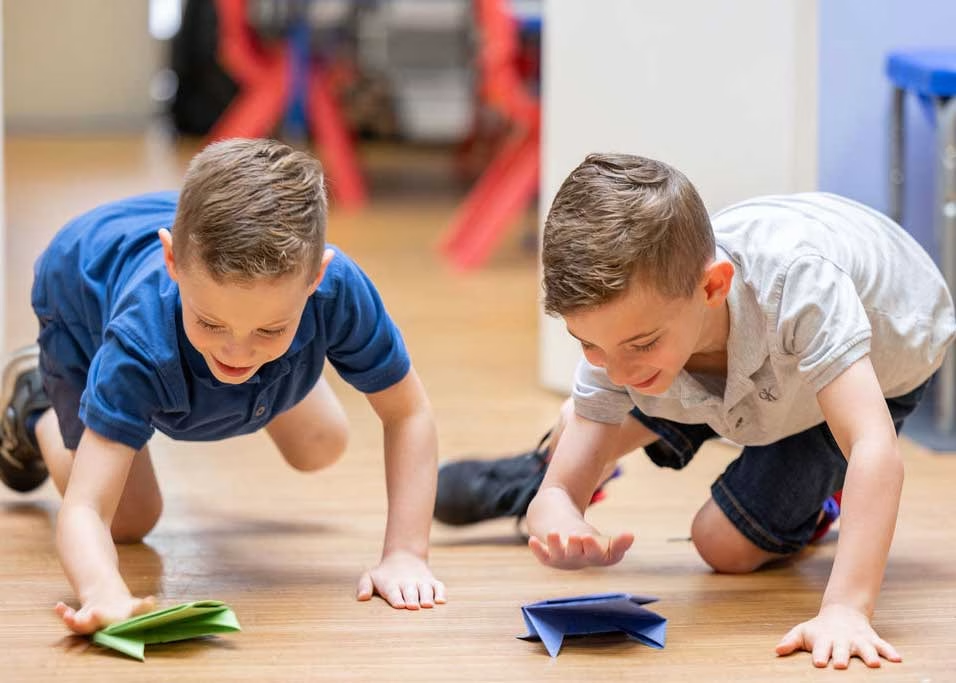
A strong pre-K program supports kindergarten readiness through play-based learning, teacher guidance, classroom structure, and age-appropriate challenges.
The Massachusetts guidelines for preschool and kindergarten learning experiences are designed to support curriculum planning for children in preschool and kindergarten early education programs.
Parents can support readiness at home by reading together, encouraging conversation, practicing routines, building independence, and giving children opportunities to make choices.
Kindergarten readiness is not about rushing childhood. It is about helping children enter school feeling secure, curious, and ready to participate.
Looking for a pre-K program? Our Future Learning Center supports kindergarten readiness through age-appropriate learning, routines, and social development.